Venting online about a past employer to damage their business opens you directly to severe criminal and civil liability for cyberlibel under Philippine law.
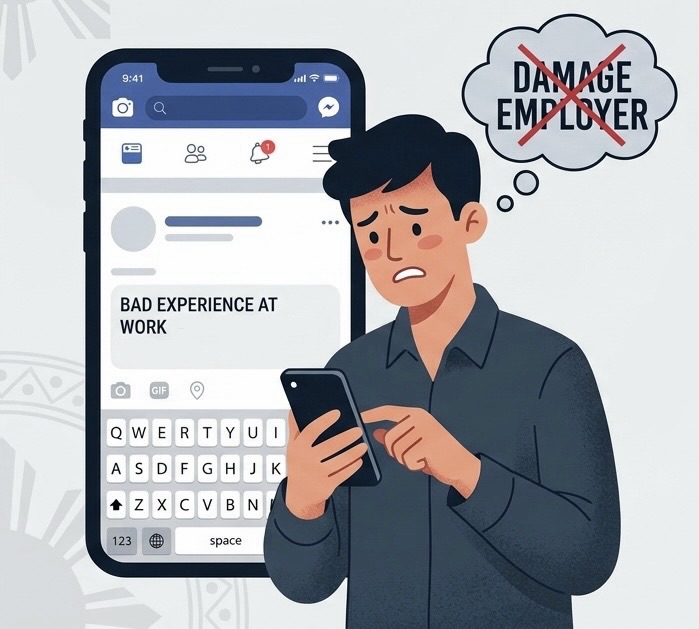
The penal definition of libel is anchored in Article 353 of Act No. 3815, or the Revised Penal Code (RPC):
“Art. 353. Definition of libel. — A libel is a public and malicious imputation of a crime, or of a vice or defect, real or imaginary, or any act, omission, condition, status, or circumstance tending to cause the dishonor, discredit, or contempt of a natural or juridical person, or to blacken the memory of one who is dead.”
When published on the internet via social media posts, public forums, or employer-review platforms, it falls squarely under Section 4(c)(4) of Republic Act No. 10175, otherwise known as the Cybercrime Prevention Act of 2012:
“Section 4. Cybercrime Offenses. — The following acts constitute the offense of cybercrime punishable under this Act: … (c) Content-related Offenses: … (4) Libel. — The unlawful or prohibited acts of libel as defined in Art. 355 of the Revised Penal Code, as amended, committed through a computer system or any other similar means which may be devised in the future.”
To sustain a charge of cyberlibel, the prosecution must establish four essential elements: (1) an imputation of a discreditable act or condition, (2) publication via a computer system, (3) identity of the person defamed, and (4) existence of malice.
Your explicit intent to damage your boss’ business reputation supplies the critical element of malice in fact. While truth can sometimes serve as a defense in criminal defamation, publishing negative experiences with the explicit aim of harming an employer’s commercial standing negates good motives or justifiable ends, rendering the post presumptively malicious.
Furthermore, Section 6 of Republic Act No. 10175 raises the statutory penalty for cyberlibel by one degree compared to traditional libel, exposing offenders to imprisonment (prisión mayor) alongside substantial civil damages for financial harm inflicted on the business.
To report labor law violations, illegal dismissals, or unfair work practices in the Philippines, you can file a complaint through several official government channels.
DISCLAIMER: This article is for educational and informational purposes and should not be considered formal legal advice. If you need assistance in any potential conflicts with an employer in Cebu City, Mandaue, and Lapu-Lapu or anywhere in Cebu Province, consult with a legal professional.


Leave a Reply